
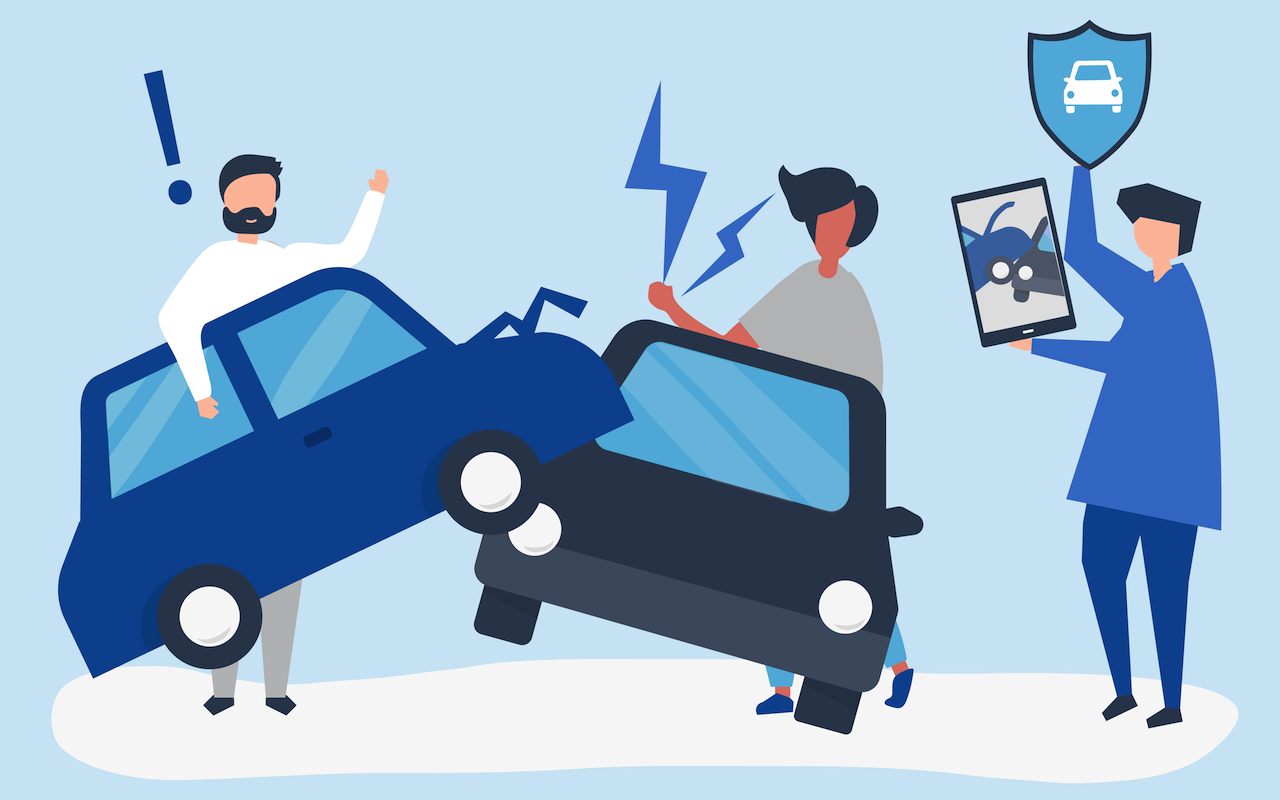
You get hit. Your heart is racing. Airbags, sirens, noise.
In that chaos, your phone and your car may be the only calm witnesses in the room. If you know how to handle them, they can speak for you later. If you don’t, vital proof can disappear in minutes.
Think like a creator who just captured a once in a lifetime clip. Your job is to save it, lock it down, and keep the story honest.
Here are 5 simple moves that can save your future case.
Step 1: Take Smart Photos With Data Intact
Do a slow walk around the scene. Capture wide shots, then close ups of all vehicles, damage, street signs, skid marks, traffic lights, and visible injuries.
Do not crop, zoom, or add filters yet. Your camera stores EXIF data, the hidden record of time, date, and location. Keep that clean and copy the original files to cloud storage or another device as soon as you can.
Step 2: Grab Dashcam and Vehicle Data Before It Is Gone
If you have a dashcam, save the crash clip right away so it is not recorded over. Modern cars store Event Data Recorder information, such as speed, braking, and seat belt use. Note your car make and model and tell your lawyer early.
Step 3: Hunt for Nearby Cameras in Real Time
Look for stores, garages, and apartment gates. Politely ask about video and get contact names. Many systems auto delete within days.
Step 4: Protect Your Messages, Ride Share Logs, and Social Feeds
Your phone is a mine of context. Treat it with respect. Screenshot texts with the other driver, rideshare receipts, and app trip logs. Back up your phone to cloud storage so no one can say you deleted proof. Skip rants, memes, and jokes about the crash, and do not delete posts when with a lawyer.
Step 5: Call In Legal Help to Lock Down Evidence
Here is where a seasoned trial lawyer can change the game.
A personal injury law firm, for example, can send preservation letters to drivers, companies, and insurance carriers. That can include notices to hold CCTV clips, black box data, and phone records. Once those letters go out, destroying that data becomes a serious problem for the other side.
They can also guide you on what to save, what to avoid posting, and how to keep a clean chain of custody so the other side cannot claim your files were faked or edited.
"Treat your phone like a black box"
If you remember nothing else, remember this. After a crash, your phone, your car, and the nearby cameras are witnesses. Treat them that way, and your future self will thank you.
Aftermath
Crashes end in seconds, but the digital story lasts for years.
Treat every photo, clip, and message like courtroom evidence. Secure it, back it up, and stay quiet online.
Your future case and your future self may depend truly on what you save today and tomorrow.
Disclaimer
This article is intended for general informational purposes only and should not be taken as legal advice, professional guidance, or a substitute for consulting with a qualified attorney. Every crash situation is unique, and the steps for preserving digital evidence may vary depending on local laws, device settings, and individual circumstances.
Mention of tools, devices, apps, or external resources is for reference only. iplocation.net does not endorse or guarantee any third-party services and is not liable for the content, accuracy, or security of external links. Always use caution when handling sensitive data or sharing information with outside parties.
If you are involved in a vehicle accident or believe evidence may be relevant to a legal claim, contact a licensed attorney in your area for specific guidance. Following the steps in this article does not ensure legal outcomes or preserve all forms of evidence.
Featured Image by Freepik.
Share this post
Leave a comment
All comments are moderated. Spammy and bot submitted comments are deleted. Please submit the comments that are helpful to others, and we'll approve your comments. A comment that includes outbound link will only be approved if the content is relevant to the topic, and has some value to our readers.
Comments (0)
No comment