There is a myth about a domain age where many believe that an older domain will rank better than newer domains. Since Google and many search engines do not reveal their ranking algorithms, so no one knows for sure whether the age of a domain impacts SEO. A logical view of this myth would suggest otherwise because some very popular domain names are bought for the purpose of cybersquatting (a.k.a domain squatting) and domain flipping.
Anyone who needs IP addresses can register them through RIRs (ARIN for North America), and the ownership information will become public. An IP address is a public information anyone can look up, and it can be used to find the geolocation of a host.
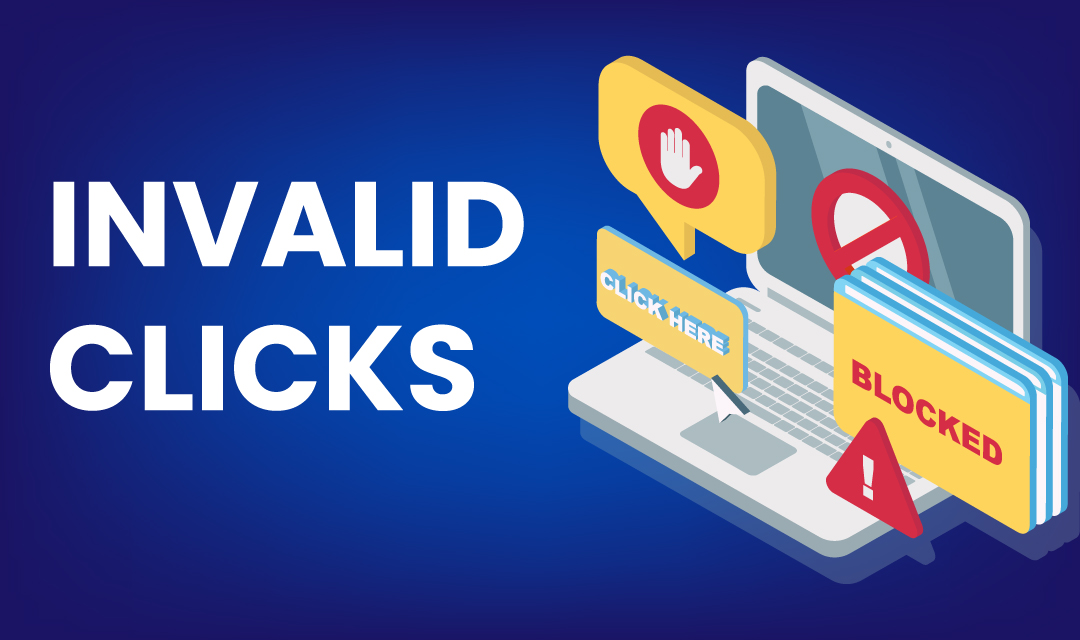
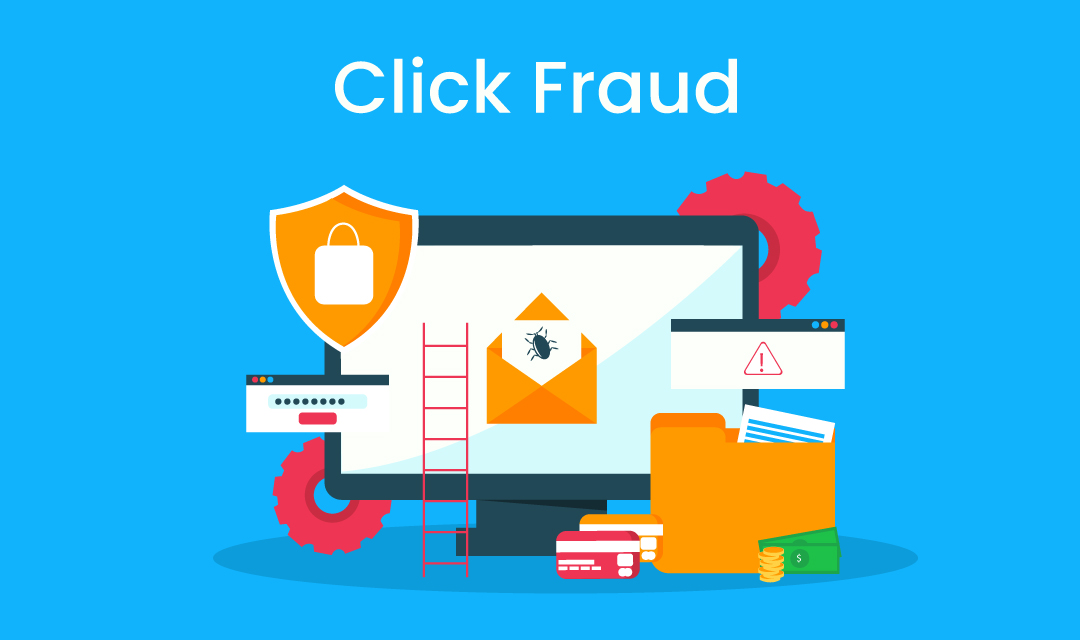
Click frauds and invalid clicks have common characteristics in which clicks are categorized as unintentional, automated, and duplicate clicks that do not result in conversions. The invalid clicks are clicks that are determined to be fraud from Google's eye and are deducted from the advertiser's credit.
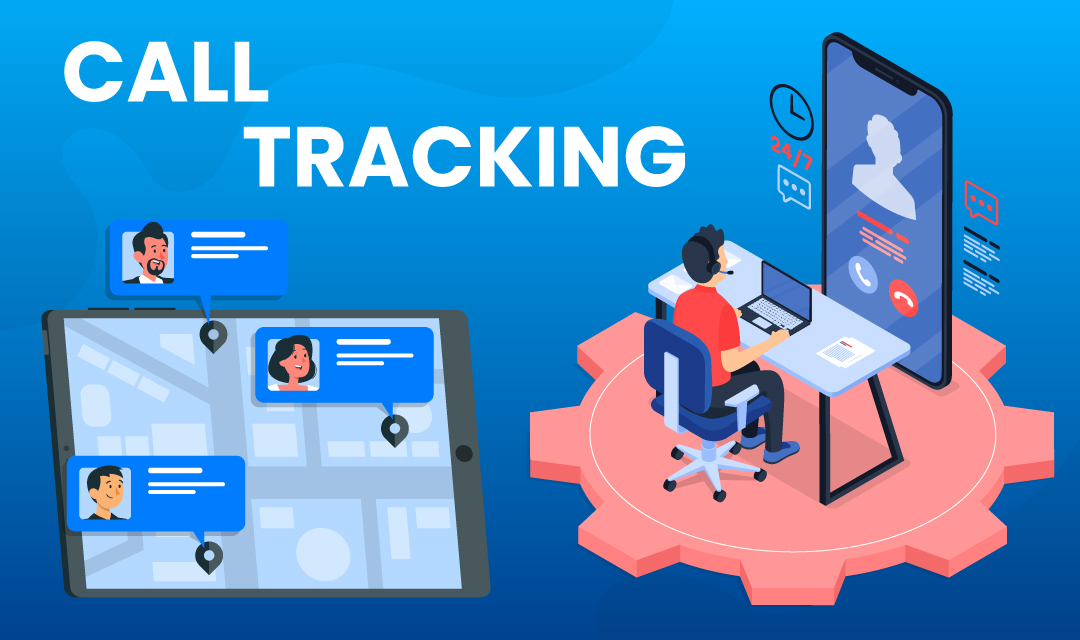
Doing business online doesn't necessarily mean selling products online, but also includes lead generation which leads to sales. Companies that sell mortgages, insurances, and other non-tangible products sell through offline funnels and those offline conversions must be tracked to improve marketing channels. Some offline conversions include tracking phone calls, leads that led to sales, and offline quotes generated from online leads.
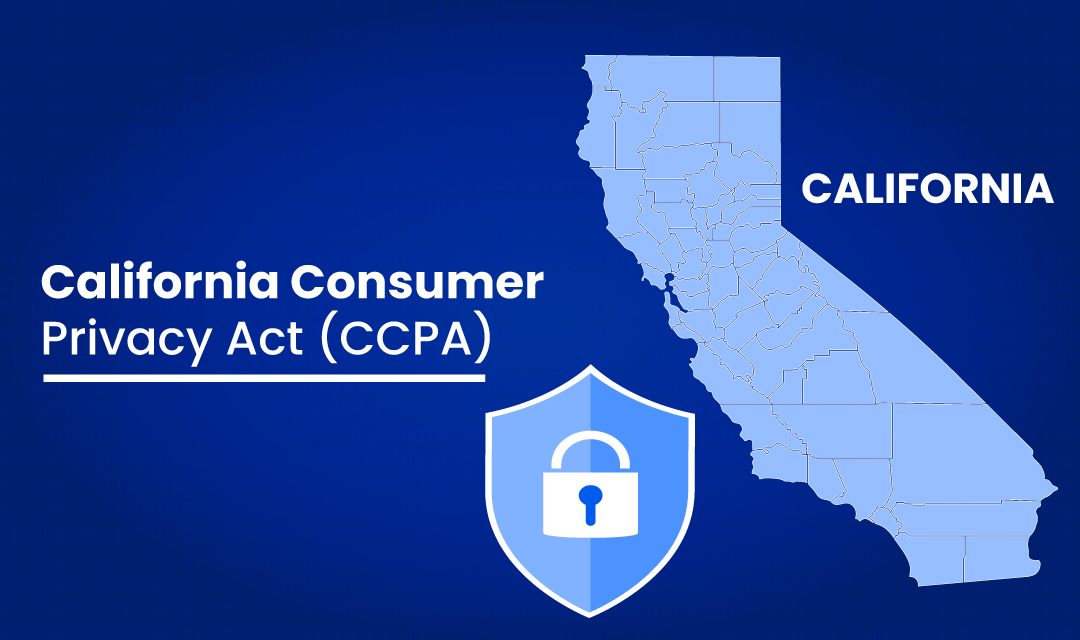
With growing trend in consumer privacy concerns and exponential growth in data breaches, the state of California has created the California Consumer Privacy Act (CCPA) in 2018, and fully in effect on January 1, 2020. CCPA gives consumers more control over how businesses collect and use their personal information, and gives them the right to know, opt-out, delete, and non-discriminated for exercising their privacy rights.
GDPR is a European privacy and security law that requires any organization that handles personally identifiable data of EU citizens to comply with its regulations. European Union mandated all organizations to comply with GDPR beginning on May 25, 2018. The GDPR imposes hefty fines for those who violate its privacy and security standards. With more and more personal data stored in the cloud, the EU is signaling the world that personal data must be treated private and stored securely. The GDPR is not only applicable to large corporations but also abides by small and medium-sized enterprises (SMEs).
Whether you're an advertiser or publisher, click fraud is a concern for everyone. From an advertiser's point of view, click fraud will cause them to pay for traffic that is not intended. For publishers, click fraud may seem to increase their earnings initially but it may hurt their SEO, may invalidate their earnings at a later time, and also may potentially lose their publisher account. Ad networks such as Google have created measures to fight against click frauds and implemented various ways to detect and filter fraudulent clicks from costing advertisers.
In the traditional method of learning how consumers reach a business, salespeople used to ask "How did you find us?" question. This is a rudimentary way of finding out the source of a phone call, and the collection of each calls to generate a detailed report is hard to come by if there are a large number of sales reps receiving calls.
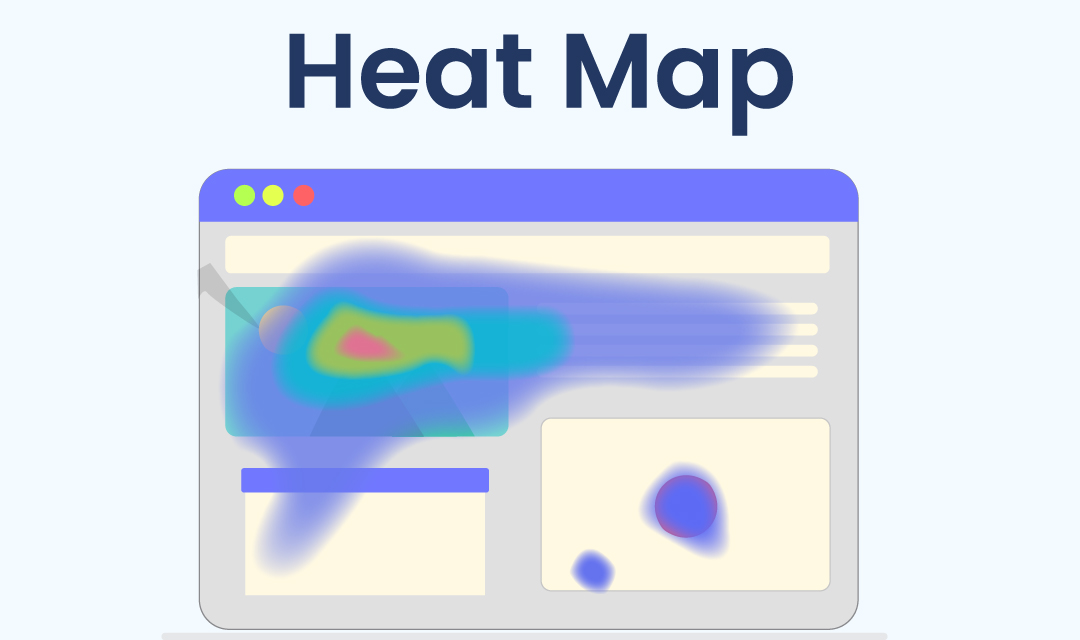
Development of heat maps dated back to the 19th century to provide a graphical representation of complex data so that it is easier for humans to analyze at-a-glance. Back then, a gray-scale shading was used to depict data patterns and the darker color was used to indicated dense values while lighter color was used to depict lesser values. A few applications of heat maps include depicting weather reports, real estate market data, and financial market analysis. The beauty of using heat maps is that you don't have to read a table of data in rows and columns to understand complex data, but rather view a simple colored map to grasp the big picture of data representation.
An email is the easiest way for scammers to mass distribute fraudulent messages to people, and it takes very minimal effort on their part. Email service providers such as Gmail, Hotmail, and Yahoo! do their due diligence and filter all suspicious emails but scammers are finding new ways to bypass such filters. As an Internet user, it is our responsibility to identify and avoid them.
At IPLocation.net, we prioritize the privacy and security of our visitors. We want you to feel confident and comfortable when browsing our website. That's why we want to assure you that we do not sell or share any personal information collected from our website.
Your trust is important to us. Whether you're browsing our site for information, or engaging with our content, rest assured that any data you provide remains strictly confidential. We adhere to stringent privacy policies and comply with all relevant regulations to safeguard your information.
Your privacy matters, and we are committed to maintaining the highest standards of data protection. If you have any questions or concerns regarding our privacy practices, please don't hesitate to reach out to us.