
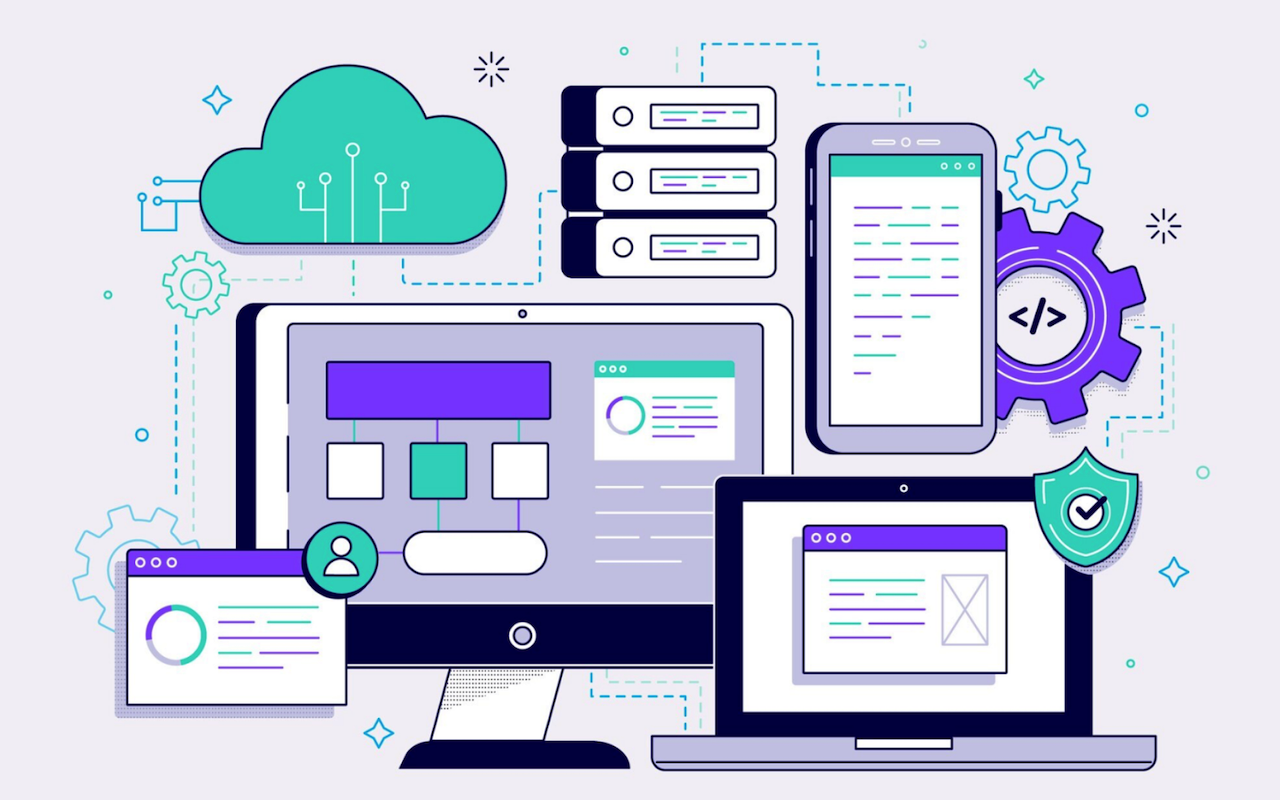
Hardware and software form the foundation of every digital system, but they are often misunderstood when discussed together. Hardware refers to the physical devices, while software delivers the instructions that make those devices useful. Both evolve quickly and depend on one another to create reliable, secure, and efficient technology.
In this article, we’ll define each term, outline their differences, and then explore the hardware and software similarities that shape how modern computing works. But before we begin, let’s define each.
What is Hardware?
Hardware refers to the physical parts of a computer system that you can see and touch. These components provide the processing power, storage capacity, and input-output functions that software relies on. Hardware can be classified into several categories, each serving a distinct role in system performance.
Common categories of hardware include:
- Input devices such as keyboards, mice, and scanners
- Output devices such as monitors, printers, and speakers
- Storage devices including hard drives, SSDs, and external drives
- Processing units such as central processing units (CPUs) and graphics processing units (GPUs)
- Memory modules such as RAM for temporary data access
For example, modern systems integrate advanced chips, solid-state storage, and specialized processors, creating a foundation that software can utilize to deliver applications and services. So, for organizations building complex products, working with the best hardware development company, such as InTechHouse, can help achieve results that seamlessly integrate with software solutions.
What is Software?
Software is the collection of programs, instructions, and data that tell hardware how to work. Unlike hardware, it has no physical form and is stored electronically. It manages resources, runs tasks, and provides the features people interact with daily on their devices.
Common categories of software include:
- System software such as operating systems (Windows, macOS, Linux) that manage hardware resources
- Application software like web browsers, office suites, and media players that support everyday tasks
- Programming software including compilers, interpreters, and code editors used to build applications
- Middleware that helps different applications and operating systems communicate
Software development focuses on making products reliable, easy to use, and adaptable to new needs. Updates, bug fixes, and security patches keep programs working smoothly with changing hardware. A good example is the work done by web app development companies like Brainhub, which create applications designed to integrate with different devices and operating systems.

Image by Freepik.
What Is the Difference Between Hardware and Software?
Before we define their similarities, let’s outline the differences that separate hardware and software. Hardware consists of tangible, physical parts of a computer system, while software exists as digital code stored and executed on that hardware. Hardware performance depends on physical design and materials, while software effectiveness depends on programming logic and updates.
Check the table below to find the main distinctions:
| Aspect | Hardware Example | Software Example |
|---|---|---|
| Nature | Physical, tangible components | Intangible instructions and programs |
| Function | Executes operations, processes data | Provides tasks, features, and interfaces |
| Examples | CPU, GPU, RAM, SSD, monitor | Operating systems, applications, drivers |
| Lifespan | Limited by wear and technology cycles | Updated or replaced through patches and new versions |
| Creation | Built through manufacturing | Developed through coding and testing |
What Are Hardware and Software Similarities?
So, what are the key hardware and software similarities? Each area of development shares common goals and practices that make modern technology reliable and effective.
- Each exists to solve user problems and improve efficiency
- Each requires extensive testing before release to guarantee performance
- Development depends on teamwork between engineers, designers, and testers
- Hardware and software rely on each other to function effectively
- Security requires contributions from hardware modules and software protections
- Progress in one area often drives advances in the other
These similarities explain why new devices and applications evolve together. Basically, faster processors allow more advanced programs, while improved applications demand stronger components.
Similarities in Hardware and Software Engineering
Hardware and software engineering share many working methods and project structures. Both fields apply systematic processes to design, build, and maintain reliable systems. Teams in these areas often use similar workflows and tools to manage complexity.
- Engineers apply structured methodologies such as Agile and DevOps
- Projects follow defined stages including design, development, and testing
- Collaboration spans multiple roles such as developers, testers, and project managers
- Quality assurance is a required step before deployment
- Continuous improvement relies on feedback, updates, and performance analysis

Image by Freepik.
Conclusion
Hardware and software operate in different ways but follow similar principles in development and use. Each exists to solve problems, requires testing, depends on teamwork, and evolves alongside the other. Their interdependence defines how modern systems function, from personal computers to large-scale enterprise platforms.
Knowing the hardware and software similarities can help you better evaluate technology, whether you work in IT, study computer science, or make business decisions. To stay informed, keep learning and compare how new tools balance both hardware and software!
 FAQs
FAQs
Hardware and software both exist to solve user problems and deliver efficient computing. Each requires design, development, and testing before release. Projects in both domains involve collaboration among engineers, designers, and testers. Hardware and software rely on each other to function, and security measures integrate hardware modules such as TPM chips with software tools like firewalls. Progress in one area often drives advances in the other, showing how closely their evolution is linked.
Testing verifies reliability, performance, and compliance with user requirements. Hardware testing includes stress tests, safety checks, and durability assessments. Software testing involves debugging, performance validation, and user acceptance trials. Both disciplines aim to detect and resolve issues before deployment, reducing risk and improving quality.
Hardware and software development rely on multidisciplinary collaboration. Engineers, testers, and project managers coordinate to align product goals. Agile methods, DevOps practices, and shared project management tools are often used. Collaboration reduces integration issues and supports synchronized delivery of products such as smartphones, IoT systems, and autonomous vehicles.
Hardware without software cannot perform tasks, while software cannot operate without hardware resources. A processor requires an operating system to execute instructions, and applications depend on physical devices to run. Their interdependence defines modern computing systems.
Security combines hardware protections with software defenses. Hardware modules such as encryption chips, secure boot systems, and biometric sensors safeguard devices at the physical level. Software tools such as antivirus, firewalls, and intrusion detection systems protect against digital threats. Effective security requires integration of both approaches.
Featured Image by Freepik.
Share this post
Leave a comment
All comments are moderated. Spammy and bot submitted comments are deleted. Please submit the comments that are helpful to others, and we'll approve your comments. A comment that includes outbound link will only be approved if the content is relevant to the topic, and has some value to our readers.
Comments (0)
No comment