
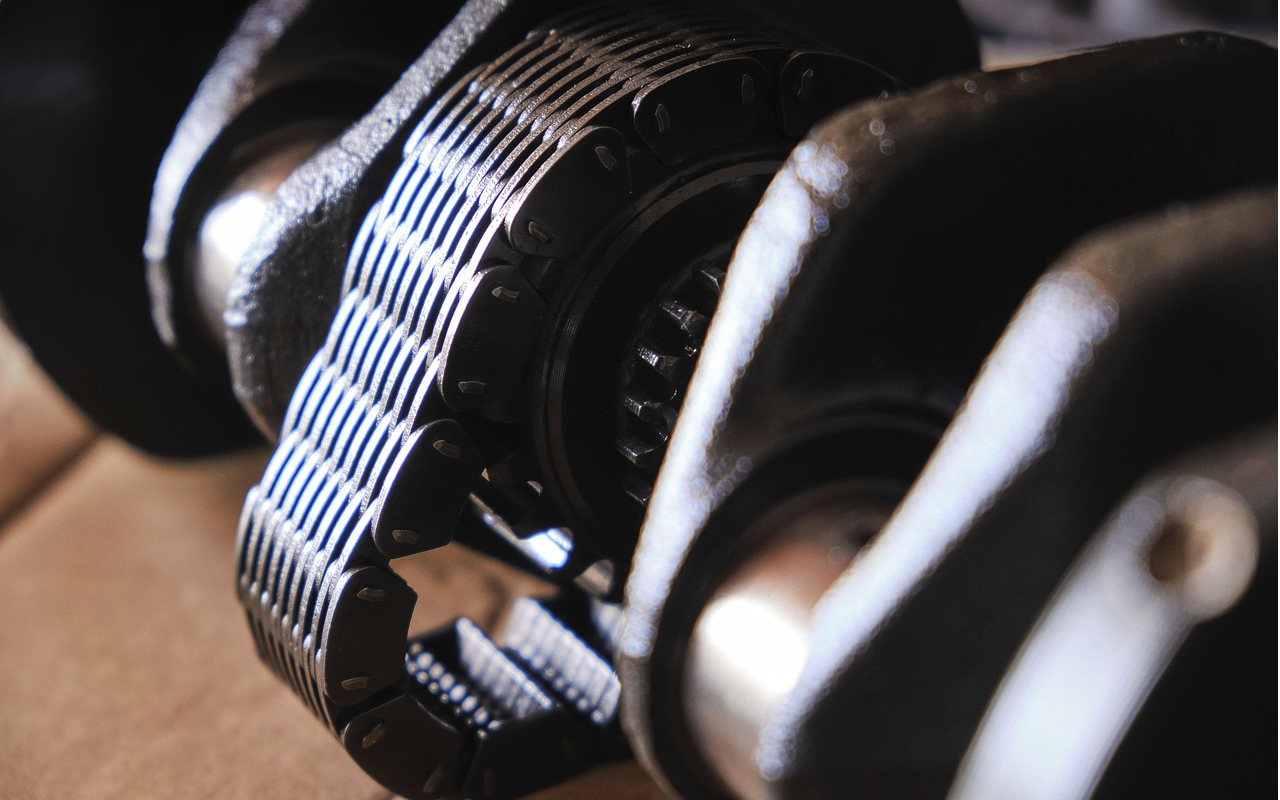
Core Components of Mechanical Transmission Systems
Mechanical transmission systems in construction equipment rely on several essential components to ensure that power is effectively delivered. These parts work together to convert energy into useful motion, making it easier for machines to perform heavy tasks.
Gears and Their Function
Gears are vital in mechanical transmission systems. They change the direction of motion and increase or decrease speed and torque. For example, when a smaller gear drives a larger gear, the larger gear turns slower but with more force.
Key types of gears include:
- Spur Gears: Simple, straight-toothed gears.
- Bevel Gears: Gears that allow for a change in axis direction.
- Helical Gears: Provide smoother operation due to angled teeth.
Using the right gears is crucial to achieving the desired speed and torque in your construction equipment.
Shafts and Rotational Motion
Shafts are the backbone of any mechanical power transmission system. They transfer rotational motion from the power source to the different components.
Shafts come in various designs and sizes, allowing them to fit various machinery. You may find:
- Solid Shafts: Rigid and strong, ideal for heavy loads.
- Hollow Shafts: Lightweight and often used to reduce weight without sacrificing strength.
Proper alignment of shafts is critical. Misalignment can cause wear and tear, leading to equipment failure.
Couplings and Sprockets
Couplings connect two shafts, allowing them to transmit power while accommodating slight misalignments. They are essential for ensuring the smooth operation of your equipment.
Different types of couplings include:
- Rigid Couplings: Connect shafts with no flexibility.
- Flexible Couplings: Allow for some movement, reducing stress on the system.
Sprockets play a similar role, specifically in chain-driven systems. They work with chains to transfer torque, making them ideal for applications like cranes and forklifts in construction.
Chains, Belts, and Power Delivery
Chains and belts are crucial for power delivery in mechanical transmission systems. They link gears and motors, helping to distribute power efficiently.
Chains are heavy-duty and suitable for high-torque applications. They provide direct transfer and are often used in situations where strength is key.
Belts, on the other hand, are often used for lighter loads. They can be quieter and require less maintenance. Common types include:
- V-Belts: Known for their ability to handle sideloads.
- Timing Belts: Used for precise motion control.
Selecting the right type of chain or belt depends on the load requirements and the design of your equipment.
Working Principles of Mechanical Power Transmission
Mechanical power transmission systems are vital in construction equipment. They help transfer energy efficiently while ensuring reliable and smooth operation. This section covers how these systems transmit torque and maintain efficiency, as well as their precision, adaptability, durability, and smooth operation.
Transmitting Torque and Efficiency
Torque is the key factor in mechanical systems. It refers to the rotational force generated by the machinery. When using gears, pulleys, or belts, torque is transferred from the engine to the working parts of the equipment.
Efficiency is essential in any construction project. Mechanical systems minimize energy loss during the torque transfer process. Using high-quality components ensures that power moves smoothly, leading to more effective operations and less fuel consumption.
Regular maintenance keeps systems running efficiently. Consider inspecting belts for wear, checking gear alignments, and ensuring lubrication in moving parts. This attention to detail helps maintain torque and overall efficiency.
Precision, Adaptability, and Reliability
Precision is crucial when operating construction equipment. Mechanical power transmission components must align correctly to ensure accurate movement. Misalignment can lead to significant operational issues or even equipment damage.
Adaptability is another important feature. Mechanical systems can be adjusted to suit different types of jobs or environments. For example, variable-speed drives allow for the adjustment of speed and torque based on task requirements. This flexibility aids in maximizing performance across various applications.
Reliability is vital for successful operations. You need equipment that performs consistently under demanding conditions. High-quality mechanical components contribute to reliable performance, so you can trust your equipment to work when you need it.
Durability and Smooth Operation
Durability is a key benefit of mechanical power transmission systems. Equipment must withstand heavy loads and rough conditions. Sturdy materials like alloys and hardened steel increase the lifespan of components.
Smooth operation is about reducing vibrations and noise. Well-maintained systems run quietly, enhancing user comfort and safety. Components like couplings and dampeners help absorb shock and maintain steady movement.
To achieve durability and smooth operation, choose components designed for high performance. Regularly monitor wear and tear, replacing parts as needed. This proactive approach enhances both the longevity and functionality of your construction equipment.
Types of Mechanical Transmission Systems in Construction Equipment
Mechanical transmission systems play a crucial role in construction equipment. They help transfer power efficiently to perform various tasks. Here are the main types you will find.
Conventional Gear-Based Systems
Conventional gear-based systems use gears to transfer motion and power between different parts of a machine. They are widely used in construction equipment, ensuring high torque and speed control.
Gears can be of various types, including spur, helical, bevel, and worm gears. Each type serves a particular purpose depending on the motion needed.
In cranes, for example, gear systems help in lifting heavy loads by converting the motor's rotational power into lifting force. Regular maintenance is key to keeping these gear systems running smoothly and extending their life.
Chain and Sprocket Drives
Chain and sprocket drives are another popular mechanism in construction equipment. This system connects two or more gears using a chain, allowing for efficient power transfer over longer distances.
Advantages of chain drives include their ability to handle heavy loads and provide precise motion. Chains can handle shocks and vibrations, making them suitable for rugged environments.
Forklifts often use chain and sprocket systems to lift materials. Proper lubrication and tension adjustments are essential for optimal performance and longevity.
Belt and Pulley Arrangements
Belt and pulley arrangements are used to transfer power between rotating shafts. This system consists of a belt that runs over pulleys to connect different parts of the machine. This design helps in minimizing vibrations and noise.
Belt drives are often found in machines like excavators and concrete mixers. They allow for smooth operation and can absorb changes in load.
It's also easier to replace belts compared to other systems. Remember, checking for wear and tear on belts is crucial to maintain efficiency. Regular inspections help avoid breakdowns during critical operations.
Hydrostatic and Hydrostatic Transmission Systems
Hydrostatic transmission systems play a crucial role in modern construction equipment. They provide smooth control, allowing you to manage speed and direction more effectively. Let’s explore the fundamentals, advantages, and how they compare with traditional mechanical systems.
Fundamentals of Hydrostatic Systems
Hydrostatic transmission (HST) systems use hydraulic fluid to transmit power from the engine to the moving parts of machinery.
- Fluid Power: These systems rely on hydraulic fluid that flows through pumps and motors. The fluid pressure helps generate motion effectively.
- Components: Key components include hydraulic pumps, hydraulic motors, and control valves. With these, you can achieve infinite variable speed control and adjust speeds without changing gears.
- Self-Regulating: HST systems can automatically adjust to the load, making them responsive to different operational demands.
This technology is vital for creating smooth and efficient machinery operations.
Advantages in Heavy Equipment
Hydrostatic systems offer several advantages, particularly in heavy equipment.
- Seamless Power Transfer: Without gears, you'll experience less power loss, ensuring more consistent power delivery.
- Precise Control: Operators gain the ability to adjust speed and direction using a single lever. This simplifies operation and enhances maneuverability.
- Durability: With proper maintenance, HST systems can operate for thousands of hours. Regular care ensures they remain reliable in demanding construction settings.
This efficiency often leads to better performance in tasks like digging, lifting, and moving materials.
Comparing HST to Mechanical Gear Systems
When comparing hydrostatic systems to mechanical gear systems, several differences stand out.
- Simplicity: HSTs eliminate complex mechanical gears, making them simpler to operate. You won’t need to shift gears during operation.
- Variable Speed: Unlike fixed gear ratios, hydrostatic systems provide infinite variable speed control. This feature allows you to adapt to different job site conditions easily.
- Operational Efficiency: HSTs maintain engine speed while changing the output speed of the machinery. This efficiency reduces wear on components and enhances engine performance.
In many cases, operators find hydrostatic systems more user-friendly and versatile than traditional gear-based systems.
Hydraulic Motors and Fluid Power
Hydraulic motors are key components of hydrostatic systems, converting hydraulic energy into mechanical energy.
- Functionality: As the hydraulic fluid powers the motor, it drives other machine parts, allowing movement and operation of equipment.
- Control: You gain precise control over the hydraulic motor's speed and direction, giving you flexibility when operating machinery.
- Applications: Hydraulic motors are used in various equipment, including excavators, skid-steer loaders, and forklifts. They contribute to the smooth and efficient operation necessary in construction tasks.
Incorporating hydraulic motors ensures that your equipment is responsive and efficient.
Applications in Construction Machinery
Mechanical transmission systems are vital in construction machinery. They enable efficient operations across various types of equipment, allowing you to accomplish complex tasks with ease. Let’s explore how these systems function in specific types of construction machinery.
Excavators and Backhoes
Excavators and backhoes rely heavily on mechanical power transmission. They utilize hydraulic systems to lift, dig, and move materials efficiently. The hydraulic pump, connected to the engine, generates power that is transmitted to different parts of the machine.
You will find that excavators use rotation and linear motion to position their booms and buckets. This capability is essential for tasks like trenching and demolition. Meanwhile, backhoes combine digging and loading functions, making them versatile for smaller jobs.
Loaders and Wheel Loaders
Loaders and wheel loaders are designed for material handling. These machines use mechanical transmission systems to drive large rubber tires and convey power to the hydraulic lift arms.
Loaders typically scoop and transport materials, while wheel loaders are known for their high lift capacity. Their systems ensure that you can move heavy loads with stability and precision. Gear systems within these loaders enhance control over lifting and lowering operations, crucial for safe and effective material handling.
Cranes, Forklifts, and Telehandlers
Cranes, forklifts, and telehandlers are essential for lifting and transporting materials on construction sites.
Cranes utilize complex gear systems to extend their reach and control heavy loads. This makes them ideal for high-lifting tasks, like placing steel beams.
Forklifts are designed for horizontal transportation of materials, offering a compact form to navigate tight spaces. Their transmission systems allow for precise movement and stability.
Telehandlers combine the features of cranes and forklifts. They provide versatility with hydraulic booms and attachments, enabling you to lift and place materials with accuracy. Each of these machines greatly benefits from robust mechanical transmission systems, ensuring productivity and safety in your construction projects.
Conclusion
Mechanical transmission systems play a foundational role in the performance, reliability, and adaptability of construction machinery. From traditional gear assemblies and chain drives to advanced hydrostatic systems, each configuration offers unique advantages tailored to specific operational needs. By understanding how these systems function—and maintaining their components properly—operators can ensure efficient power delivery, reduce downtime, and enhance safety on the job site. As construction demands evolve, robust transmission technologies will continue to drive innovation and productivity across the industry.
Featured Image by Pixabay.
Share this post
Leave a comment
All comments are moderated. Spammy and bot submitted comments are deleted. Please submit the comments that are helpful to others, and we'll approve your comments. A comment that includes outbound link will only be approved if the content is relevant to the topic, and has some value to our readers.
Comments (0)
No comment