
Permanent Magnet Generator Fundamentals
Permanent magnet generators (PMGs) use permanent magnets to create a magnetic field for generating electricity. Understanding how they work can help you appreciate their efficiency and applications. Let's explore the key concepts behind PMGs.
What Is a Permanent Magnet Generator
A permanent magnet generator is a type of electrical generator. It converts mechanical energy into electrical energy. This conversion happens through the use of permanent magnets, which provide a steady magnetic field.
PMGs are known for their reliability and low maintenance needs. Unlike traditional generators that use electromagnets, PMGs do not require power to maintain their magnetic field. This makes them more efficient and compact.
These generators are used in various applications, ranging from wind turbines to automotive systems. Their versatility makes them a valuable technology in both renewable energy and industrial sectors.
How Permanent Magnet Generators Work
Permanent magnet generators operate on the principle of electromagnetic induction. When a conductor moves through a magnetic field, electrical energy is generated. This process is explained by Faraday’s Law, which states that a change in the magnetic field can induce an electric current.
In PMGs, the rotor spins, moving through the magnetic field created by permanent magnets. As this happens, mechanical energy from the rotor is converted into electrical energy. The generated electricity can then be used immediately or stored for later use.
The design of permanent magnets allows for a compact size while maintaining high efficiency. They provide a constant magnetic field without extra power consumption.
Energy Conversion Principles
The core of PMG technology lies in its energy conversion principles. The main goal is to transform mechanical energy into electrical energy efficiently.
The role of permanent magnets is crucial in this process. They create a stable magnetic field that interacts with the rotor. By maintaining this magnetic field, PMGs enhance the efficiency of energy conversion.
Key components in a PMG include the rotor, stator, and the permanent magnets. Together, they work to ensure that maximum electrical output is achieved with minimal energy loss. This efficient conversion is essential for many modern energy applications.
Core Components of Permanent Magnet Generators
When exploring permanent magnet generators (PMGs), it's essential to understand their core components. Each part plays a crucial role in how the generator operates and retains efficiency.
Rotor Design
The rotor is the rotating part of a PMG. It typically features permanent magnets, which generate a magnetic field as the rotor spins. You might find neodymium magnets or ferrite magnets used here. Neodymium magnets are often preferred for their strength, allowing for a more compact design.
The rotor's design can also include a Halbach array. This arrangement increases the magnetic field on one side while canceling it on the other, enhancing efficiency. The rotor must balance strength and weight to avoid strain on the generator and reduce wear during operation.
Stator and Windings
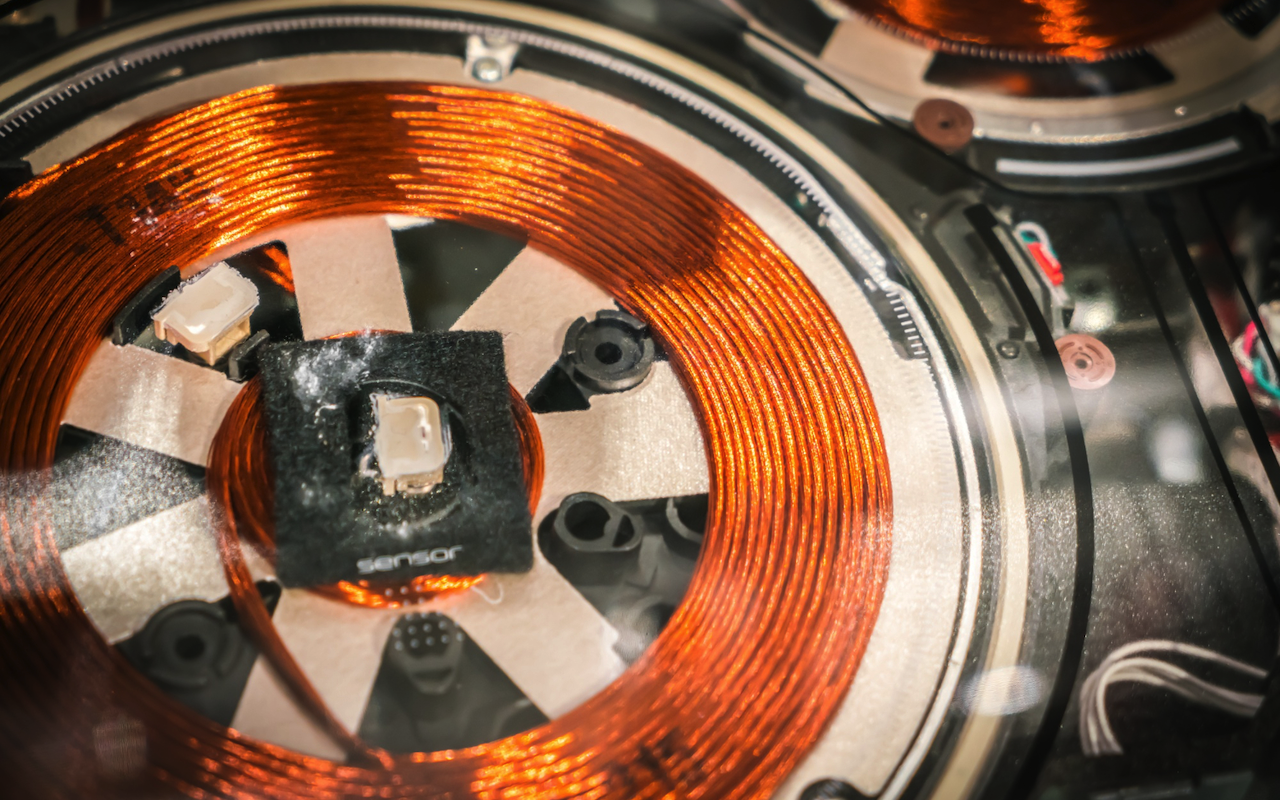
The stator is the stationary part of the generator and contains windings that convert mechanical energy into electrical energy via electromagnetic induction. Inside, you'll find coils of wire, typically made from copper, wound around the stator's core.
The interaction between the rotor's magnetic field and the stator's windings generates electricity. Efficient winding patterns can improve performance and output. Proper cooling systems are also important to manage heat, ensuring that the windings operate effectively without overheating.
Permanent Magnet Materials
The choice of materials for the permanent magnets significantly impacts the performance of a PMG. Neodymium magnets offer high performance with a compact size. They score well on magnetic strength and longevity. On the other hand, ferrite magnets are more economical but have a lower magnetic strength.
It's crucial to match the magnet material to the application's requirements. For example, in high-torque settings, neodymium may be favored.
Bearings and Shaft
The bearings and shaft support the rotor and allow it to spin freely. High-quality bearings reduce friction and wear, contributing to the generator's efficiency and lifespan. They should be selected based on the operating conditions, such as load and speed.
The shaft connects the rotor to the drive mechanism. It must be sturdy enough to handle the mechanical forces during operation. Usually made from steel or similar materials, a well-designed shaft contributes to overall generator reliability and performance.
Types and Designs of Permanent Magnet Generators
Permanent magnet generators (PMGs) come in various designs, each tailored to specific uses and performance needs. Understanding these types can help you choose the right generator for your applications. This section covers radial flux PMGs, axial flux PMGs, and the differences between direct-drive and gear-driven generators.
Radial Flux PMGs
Radial flux PMGs are among the most common designs. In these generators, the magnetic field is directed radially from the center to the outer edge. This design allows for compact arrangements, making them suitable for applications where space is limited.
They typically come in high-speed and low-speed variants. High-speed radial flux PMGs are often used in wind turbines, where they can efficiently convert wind energy into electricity. Low-speed versions find their place in applications like electric vehicles, where torque is more important.
These generators often feature brushless designs, reducing maintenance needs and enhancing reliability over time. Their efficient use of materials in the rotor and stator improves performance.
Axial Flux PMGs
Axial flux PMGs differ significantly in design. Here, the magnetic field flows parallel to the axis of rotation. This design results in a flat and compact generator that is easy to integrate into different setups.
Axial flux generators excel in applications where weight and space are critical. Their lightweight design often finds use in electric vehicles and aerospace industries. You’ll notice that these PMGs typically provide high efficiency, making them an attractive choice for renewable energy projects.
Due to advancements in material science, these generators can achieve high outputs while maintaining a smaller size. The axial layout also allows for easy cooling, which is essential for maintaining performance during operation.
Direct-Drive and Gear-Driven Generators
You can choose between direct-drive and gear-driven designs based on your needs. Direct-drive PMGs connect directly to the power source, simplifying the design. This setup results in lower maintenance, higher efficiency, and a more compact form.
On the other hand, gear-driven generators use gears to modify the speed of rotation. This design can optimize power output but may involve more maintenance due to the added components. Gear-driven systems are often found in applications requiring specific speed adjustments or high torque.
In summary, both designs have their advantages, depending on the application you are considering.
Performance, Efficiency, and Maintenance
When considering permanent magnet generators, it’s essential to focus on their efficiency, performance capabilities, and low maintenance needs. These aspects not only impact energy conversion but also influence the practicality and reliability of their use in various applications.
Efficiency and Power Density
Permanent magnet generators (PMGs) are known for their high efficiency. They convert mechanical energy into electrical energy with minimal energy loss, which maximizes output power. The efficiency of PMGs often exceeds 90%, making them superior to many traditional generators.
Power density is another critical aspect. PMGs generate a large amount of electricity from a smaller size and weight compared to conventional alternatives. This compact design means you can fit more power into less space, which is particularly beneficial in applications like wind turbines and portable power systems. This efficiency brings about significant energy savings.
Energy Loss and Cooling
While PMGs excel in efficiency, energy loss can still occur. The primary sources of energy loss include resistive losses in the coils and magnetic losses within the core materials. These losses can slightly reduce efficiency but are generally lower than in other generator types.
Cooling is crucial for minimizing these losses. Effective heat dissipation helps maintain energy efficiency and prevents overheating, which can lead to performance issues over time. Many PMGs incorporate built-in cooling methods, such as air or liquid cooling, to keep operating temperatures in check and ensure consistent performance, even during demanding tasks.
Low Maintenance Benefits
One of the standout features of PMGs is their low maintenance requirement. Unlike traditional generators that may need frequent servicing, PMGs are designed to operate with minimal intervention. The use of permanent magnets means there are no brushes or slip rings, which are common points of wear in other systems.
This reduced maintenance translates to significant cost savings and less downtime. You can rely on your PMG for continual performance with less disruption, which is especially important for remote or critical applications. This reliability allows you to focus more on your projects and less on frequent repairs.
Demagnetization and Temperature Sensitivity
While PMGs are efficient, they are sensitive to both demagnetization and temperature changes. High temperatures can significantly affect the magnets' strength, potentially leading to reduced performance. It’s essential to ensure that PMGs operate within their specified temperature ranges to maintain efficiency and prevent energy loss.
Demagnetization can occur if the generator is subjected to extreme conditions, such as high heat or significant physical stresses. Proper design and material choices help mitigate these risks, ensuring that the PMG delivers reliable performance for a long time.
By being aware of these factors, you can better manage the lifespan and efficiency of your permanent magnet generator, harnessing its full potential in various applications.
Applications in Energy and Industry
Permanent magnet generators (PMGs) are increasingly used across various energy and industrial applications due to their efficiency and low maintenance needs. Let's explore some key areas where these generators play a vital role.
Wind Power and Turbines
Wind turbines are one of the most common applications for permanent magnet generators. They efficiently convert wind energy into electricity. PMGs in wind turbines can generate power at low wind speeds, maximizing energy production.
- Benefits: PMGs help improve the overall efficiency of wind power systems. They are smaller and lighter, making installation easier and reducing material costs.
- Generation Capacity: These generators can work in both horizontal and vertical axis turbines, offering flexibility in design and placement.
Hydropower and Marine Uses
Hydropower systems, including tidal energy applications, also benefit from PMGs. Their design allows for stable operation in varying water conditions, making them suitable for both large and small-scale hydroelectric power generation.
- Micro-Turbines: PMGs are used in micro-turbines for small rivers or tidal applications. They provide a sustainable way to harness energy with minimal environmental impact.
- Marine Applications: Whether for offshore platforms or buoys, PMGs are effective in generating power from constant water movements, ensuring a reliable energy supply.
Electric and Hybrid Vehicles
In the automotive sector, permanent magnet generators are essential in electric and hybrid vehicles. They provide efficient energy conversion, crucial for performance and sustainability.
- Regenerative Braking Systems: PMGs support regenerative braking, which captures energy usually lost when slowing down. This feature helps extend battery life and improve overall efficiency.
- Compact Design: The smaller footprint of PMGs allows for flexible vehicle design, making it easier to integrate them into various models.
Portable and Backup Generators
PMGs are increasingly used in portable power systems and backup generators, providing reliability when you need power off the grid. They can efficiently convert mechanical energy into electrical power for multiple applications.
- Versatility: Whether it’s for camping, outdoor activities, or emergency situations, portable generators with PMGs are compact and user-friendly.
- Backup Power: In homes, PMGs can serve as backup systems during power outages, ensuring you have electricity for essential appliances.
The diverse applications of permanent magnet generators show their importance in harnessing renewable energy and powering various industries efficiently. They help pave the way for a sustainable future in energy and beyond.
Conclusion
Permanent magnet generators represent a forward-thinking approach to energy generation, combining efficiency, durability, and design versatility. Their ability to operate reliably with minimal upkeep makes them an ideal choice for renewable energy systems, industrial applications, and mobile power solutions. As technology advances and the demand for clean, efficient energy continues to rise, PMGs will remain a key component in building a more sustainable and resilient energy landscape. Whether you’re designing a wind farm or upgrading vehicle systems, understanding PMG technology is essential for maximizing performance and innovation.
Featured Image by Freepik.
Share this post
Leave a comment
All comments are moderated. Spammy and bot submitted comments are deleted. Please submit the comments that are helpful to others, and we'll approve your comments. A comment that includes outbound link will only be approved if the content is relevant to the topic, and has some value to our readers.
Comments (0)
No comment