
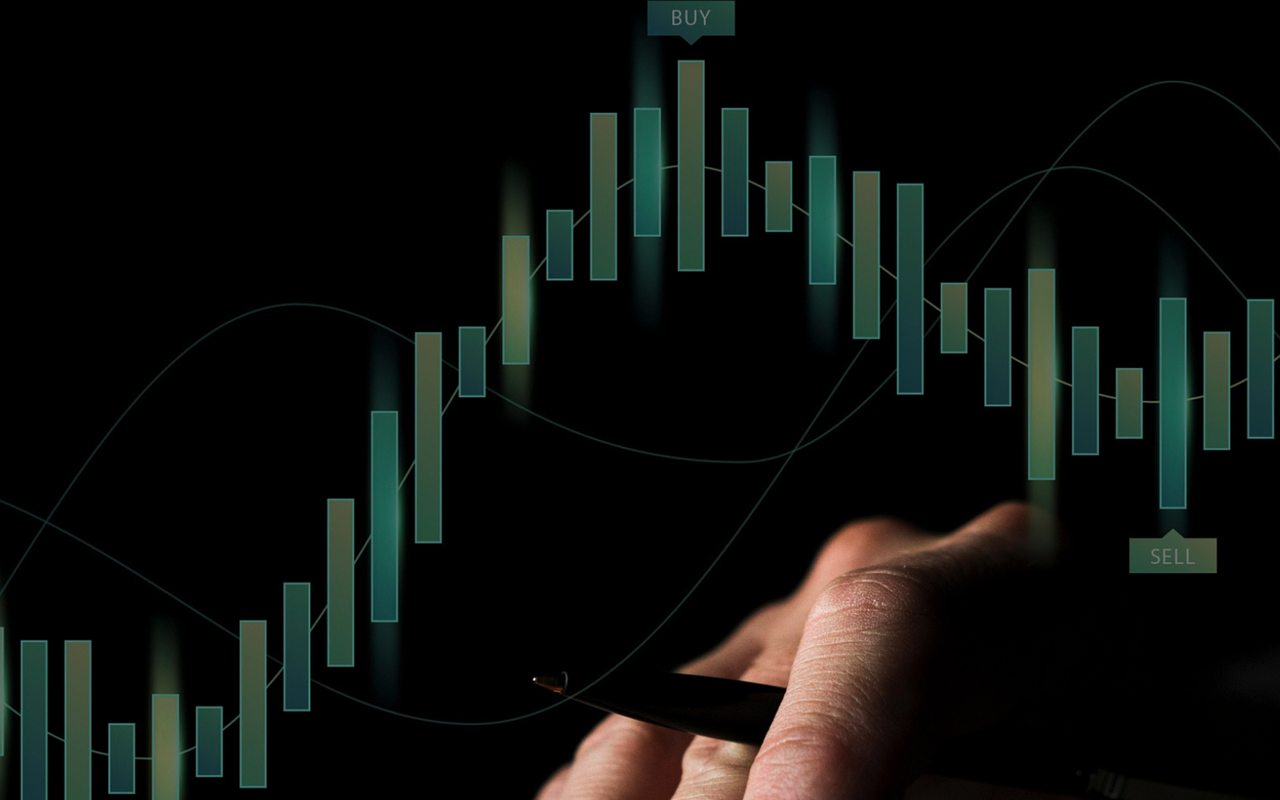
Every trader and investor has been there, watching their portfolio shrink day after day, wondering if they've lost their touch. These painful periods, known as drawdowns, are more than just emotional hurdles. They're treasure troves of data that can transform your trading performance if you analyze them properly.
What Drawdowns Really Tell Us
A drawdown isn't just bad luck or a sign that you should give up trading. It's a statistical event that reveals crucial information about your strategy, risk management, and market conditions. When you approach losing streaks with a data scientist's mindset rather than pure emotion, you can uncover patterns that lead to better decision-making.
Think of drawdowns as your trading strategy's stress test. Just like engineers study how bridges perform under extreme weather, analyzing your worst trading periods shows you where your approach breaks down and needs reinforcement.
The Math Behind Your Losing Streaks
Most traders underestimate how normal extended losing streaks actually are. Even a strategy that wins 60% of the time will experience losing streaks of five or more trades about 20% of the time. This isn't failure; it's statistics in action.
Start tracking key metrics during your drawdowns: the maximum percentage loss, how long the streak lasted, what market conditions were present, and which sectors or stocks were involved. A visual tool like a stock market map can help you see broader market patterns during these periods, showing whether your losses coincided with sector-wide declines or were more isolated to your specific picks.
Identifying Patterns in the Pain
The real power comes from pattern recognition. Are your drawdowns clustered around earnings seasons? Do they happen more frequently when volatility spikes? You may notice that your losses are heavier in certain market sectors or during specific times of the year.
Create a simple spreadsheet tracking each losing trade's date, size, reason for entry, and market conditions. After collecting data from several drawdowns, you'll start seeing trends that weren't obvious when you were caught up in the emotional storm of losing money.
Turning Insights into Action
Once you've identified patterns, you can make data-driven improvements. If your analysis shows that you consistently lose money during the first hour of trading, consider waiting until later in the day. If drawdowns correlate with high-volatility periods, reduce position sizes when the VIX is elevated.
Some traders discover they're overconcentrated in specific sectors, which leads to correlated losses. Others find they're entering trades too aggressively during choppy market conditions. The specific insights will vary, but the process remains the same: collect data, find patterns, and adjust accordingly.
Building Drawdown Resilience
The goal isn't to eliminate drawdowns; that's impossible. Instead, you want to minimize their impact and duration while maximizing what you learn from them. Set predetermined rules for when to reduce position sizes or take a trading break. Many successful traders have "circuit breakers" that kick in after losing a certain percentage.
Remember that analyzing drawdowns is an ongoing process, not a one-time exercise. Markets evolve, and so should your understanding of your strategy's performance under stress. Each drawdown offers new data points to refine your approach and build a more robust trading system.
Your losing streaks aren't just painful experiences; they're valuable datasets waiting to be analyzed.
Disclaimer
This article may contain links to external websites for informational purposes. IPLocation.net is not responsible for the content, accuracy, or availability of these third-party sites. Users are advised to review the privacy policies and terms of use of any external websites they visit.
Featured Image by Pixabay.
Share this post
Author

Read the latest articles from Boris Dzhingarov
Static IP: What Is It and Why Your Business Needs It

April 26, 2024
In today's fast-evolving business world, the importance of maintaining a dependable and secure internet connection must be remembered. It's important for remaining competitive and ensuring maximum productivity.
Learn moreLeave a comment
All comments are moderated. Spammy and bot submitted comments are deleted. Please submit the comments that are helpful to others, and we'll approve your comments. A comment that includes outbound link will only be approved if the content is relevant to the topic, and has some value to our readers.
Comments (0)
No comment