
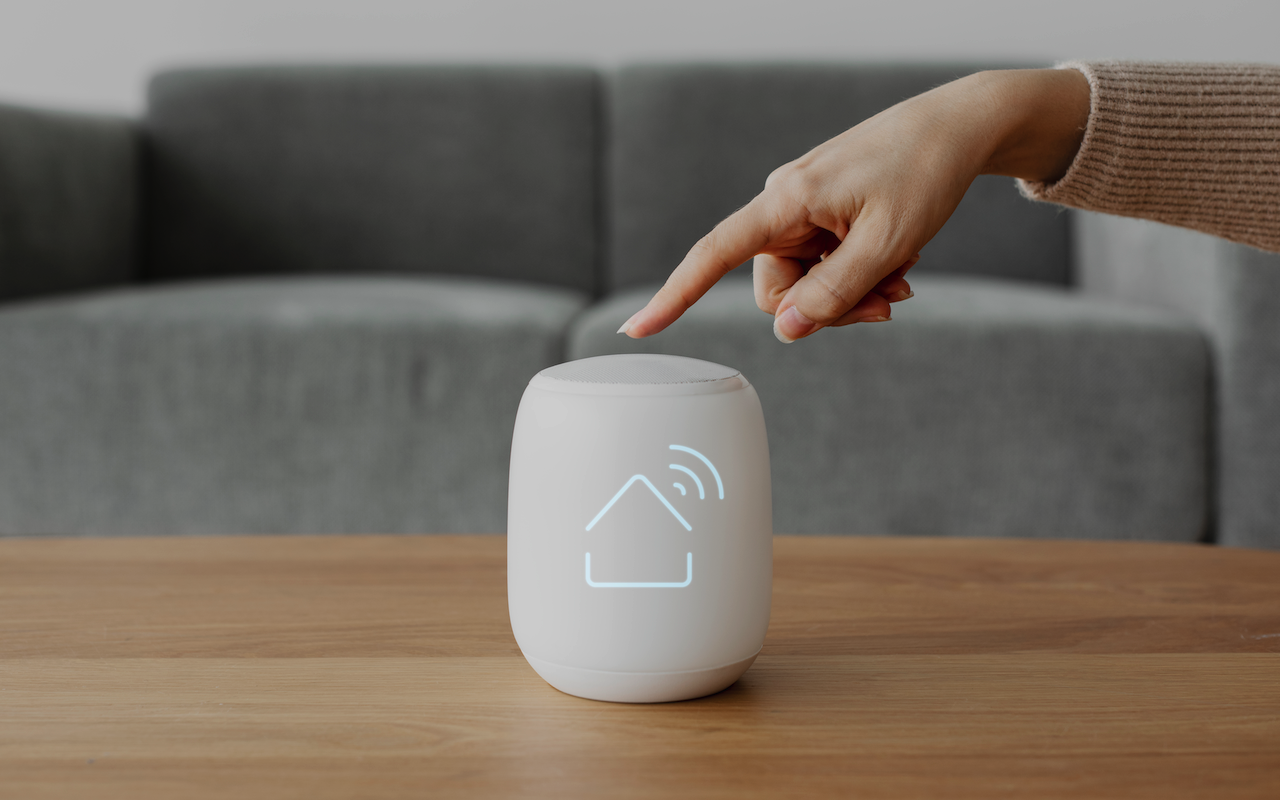
The concept of the home has always been associated with rest, safety, and personal expression. In recent years, however, a new dimension has been added to this traditional space: intelligence. The rise of smart home technology is transforming the way we live, turning ordinary houses into connected ecosystems where convenience, efficiency, and personalization take center stage. What once seemed like science fiction is now an everyday reality for millions of people around the world. The smart home revolution is not only about gadgets; it’s about merging technology with lifestyle in ways that redefine modern living.
Development of Smart Home
The smart home movement began with simple innovations, such as programmable thermostats and remote-controlled garage doors. Over time, progress in wireless communication, artificial intelligence, and the Internet of Things (IoT) has dramatically expanded what’s possible. Today, smart homes can integrate a wide range of devices: lighting systems, security cameras, appliances, speakers, locks, and even furniture.
Connectivity lies at the core of this development. Thanks to Wi-Fi and Bluetooth, devices can now communicate with each other and with centralized hubs such as Amazon Alexa, Google Home, or Apple HomeKit. These platforms allow homeowners to manage their entire environment through voice commands, mobile apps, or automated routines. The result is a home that not only responds to human input but also anticipates needs.
Lifestyle Benefits of Smart Homes
The appeal of smart home technology goes beyond innovation. Its true value lies in how it enhances everyday living, making homes more comfortable, efficient, and responsive to individual needs.
1. Convenience and Control
Smart devices reduce the friction of daily routine. Imagine waking up to blinds that automatically open, coffee brewing on schedule, and a thermostat adjusting to the perfect temperature. Voice assistants make multitasking easier, whether it’s dimming the lights during movie night or checking who is at the front door without leaving the couch.
2. Energy Efficiency and Sustainability
Smart homes play an important role in reducing energy waste. Thermostats learn user preferences and adjust heating or cooling accordingly, often saving homeowners significant amounts on utility bills. Smart lighting systems ensure that lights are only on when needed, while connected appliances run on energy-efficient cycles. In a world focused on sustainability, smart technology empowers individuals to reduce their carbon footprint without sacrifice.
3. Security and Peace of Mind
Smart cameras, motion sensors, and connected locks have transformed home security. With real-time alerts, live video feeds, and remote access, homeowners can monitor their property from anywhere in the world. Some systems even use facial recognition to distinguish between family members, friends, and strangers. This level of safety provides peace of mind, especially for families with frequent travelers or children.
4. Personalization and Lifestyle Integration
A smart home adapts to its residents rather than forcing them to adjust to rigid systems. Music preferences can follow individuals from room to room, lighting can shift to support productivity or relaxation, and even kitchen appliances can suggest recipes based on what’s in the fridge. These personalized touches make homes more in tune with the rhythm of daily life.
Smart Homes and Renewal of the Home
As smart technology rapidly becomes mainstream, homeowners are also rethinking traditional renovation projects. Many now work with professionals, such as an exterior renovation contractor, to integrate smart solutions directly into the structure of their homes. These upgrades may include installing energy-efficient windows that sync with climate control systems, adding smart outdoor lighting, and setting up security cameras, blending functionality with enhanced appeal. The role of the exterior renovation contractor is no longer limited to aesthetics or repair; they now help bridge the gap between modern design and advanced technology, ensuring homes are ready for the future inside and out.
Role of Artificial Intelligence
Artificial Intelligence (AI) is the invisible backbone of the smart home revolution. AI enables devices to go beyond simple commands and continue learning from user behavior. For example, a thermostat can learn that a family leaves for work at 8 a.m. and returns at 6 p.m., automatically adjusting the temperature to maximize efficiency. Similarly, AI-powered assistants can recognize speech patterns, respond appropriately, and even provide proactive reminders.
As AI evolves, smart homes are expected to become even more intuitive and comfortable. Instead of only responding to instructions, they will anticipate needs, such as ordering groceries when supplies run low or suggesting a break when someone has been working too long.
Challenges and Ideas
Despite the many benefits, smart homes are not without challenges. Privacy and data security remain primary concerns. Since these systems rely on continuous data collection, questions arise about who has access to the information and how it is used. Cybersecurity threats also pose risks, as hackers may exploit weaknesses in connected devices.
Another challenge is cost. While prices for smart devices have become more affordable, equipping a home with the latest technology can still be expensive. There is also a learning curve, as not all users are comfortable navigating apps and automation systems.
Finally, compatibility continues to be an issue. With so many brands and ecosystems, achieving seamless integration can be frustrating. Industry leaders are working toward standardized protocols, such as the new Matter standard, designed to unite smart devices under a universal framework.
Future of Smart Homes
The smart home revolution is still in its early stages. Future progress promises even more seamless integration, with homes that are self-sufficient, adaptive, and deeply personalized. Emerging technologies such as augmented reality (AR), robotics, and advanced health monitoring will expand the possibilities. For example, homes may soon detect health issues in residents and notify medical professionals in real time.
As sustainability becomes a global priority, smart homes will also play a key role in energy conservation and resource management. Solar panels, battery storage systems, and water-saving tools can be fully integrated into smart ecosystems, making homes not only convenient but also environmentally responsible.
Conclusion
The smart home revolution represents more than a collection of high-tech gadgets; it marks a transformation in how technology integrates with daily life, turning houses into responsive, personalized environments. By combining convenience, safety, efficiency, and customization, smart homes symbolize the future of modern living. While challenges such as privacy and compatibility remain, the trajectory of innovation is clear: our homes are becoming as intelligent as they are comfortable.
Featured Image by Freepik.
Share this post
Author

Read the latest articles from Lucy Jones
Smart Home Upgrades to Include in Your Next Remodel
June 13, 2025
Home renovation has evolved beyond aesthetics and functionality to incorporate advanced technology that enhances convenience, efficiency, and security. Smart home upgrades can transform living spaces into interconnected, automated environments that cater to modern needs. Whether aiming for energy efficiency, impr [...]
Learn moreBenefits of Combining Employee Monitoring and Time Tracking

January 31, 2025
With today's fast-paced work environment, businesses are constantly seeking ways to increase productivity, optimize workflows, and enhance security. Two of the most powerful tools for this purpose are employee monitoring and time tracking. Both of these tools offer different advantages when used alone, but when u [...]
Learn moreLeave a comment
All comments are moderated. Spammy and bot submitted comments are deleted. Please submit the comments that are helpful to others, and we'll approve your comments. A comment that includes outbound link will only be approved if the content is relevant to the topic, and has some value to our readers.
Comments (0)
No comment