Blog Category


Cybersecurity and Physical Security

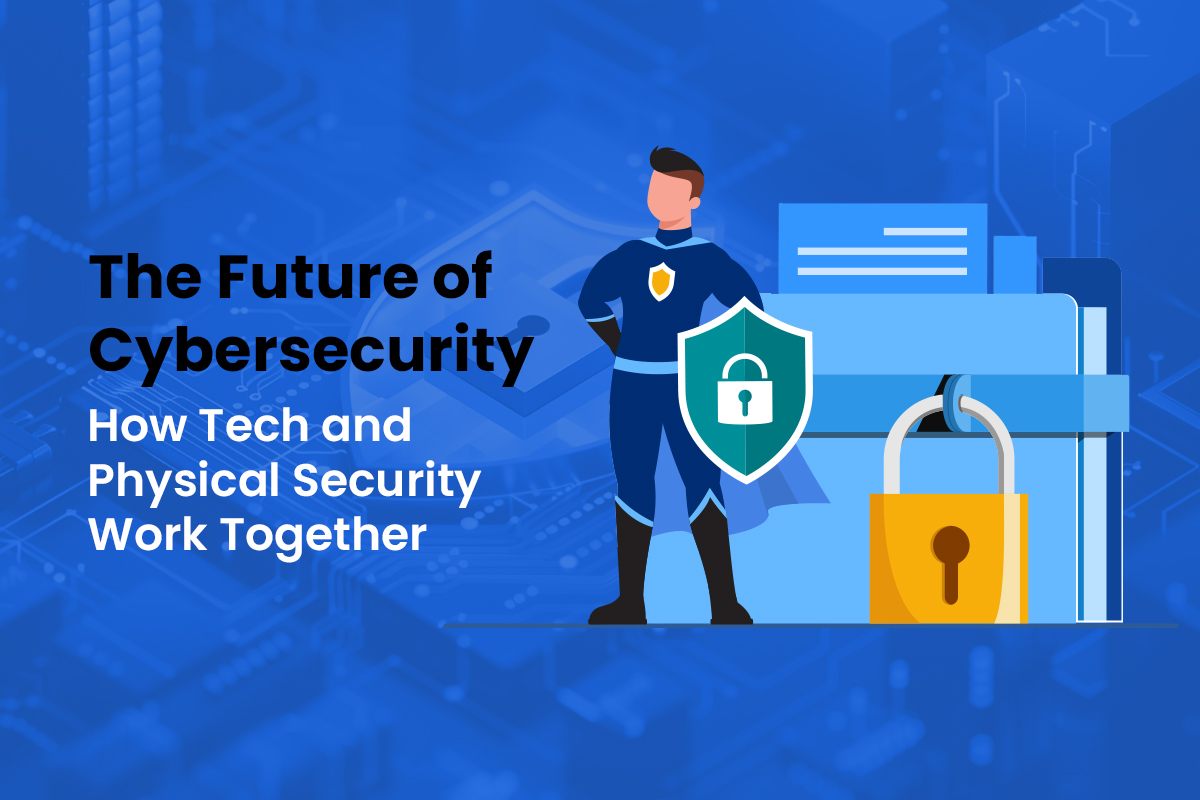
Cybersecurity has grown increasingly sophisticated, with an ever-expanding number of digital threats targeting personal, corporate, and government data. As technology advances, so do the methods used by cybercriminals, making it crucial for organizations and individuals to stay one step ahead. However, cybersecurity isn't just about digital tools; physical security plays an equally important role. Let’s look at how the fusion of digital and physical security methods enhances protection against cyber threats.


RFID Wallet

In the age of digital convenience, protecting your personal and financial information has become more critical than ever. While traditional wallets have served us well for decades, they’re not designed to handle the modern security threats posed by contactless payment systems and RFID-enabled cards. If you’re wondering whether it’s time to upgrade, here are five clear signs that an RFID-blocking wallet should be your next investment.

Enterprise Security

Enterprise security challenges continue to grow in complexity as organizations face an ever-increasing array of threats. Whether you’re safeguarding sensitive data, protecting operational continuity, or managing regulatory compliance, you’re navigating a constantly evolving set of risks. Relying on outdated strategies or generic solutions is no longer enough to keep your enterprise secure.

Save with Smart Investment

Due to their limited resources, small businesses face unique challenges in cybersecurity. Many small enterprises are prime targets for cybercriminals, as breaking into their network is a relatively low-risk crime. For the business, the financial risks are much higher: A single breach can compromise sensitive data and lead to revenue losses and irreparable reputational damage. Therefore, prioritizing cybersecurity is necessary for small businesses to survive and thrive in the online ecosystem.