Blog


E-Commerce Web Design & Branding: Create a Strong Identity

E-Commerce Website Design
The digital business landscape demands e-commerce operations to create unique identities to earn and keep their target audiences. A robust brand design and an ideal web appearance substantially affect customer experience, faith development and business conversion achievement.

Why Enterprises Need Scalable Regression Testing Tools for Large Applications

Regression Testing
Regression testing is an essential practice in software development, especially for large applications. As enterprises continue to scale their software systems, ensuring that new updates or features do not inadvertently introduce bugs becomes a priority. Scalable regression testing tools are crucial because they streamline the testing process, keeping applications reliable and robust. This necessity becomes even more pronounced in expansive software environments where minor changes can have significant repercussions.


Digital Bloodhounds: How IP Data and Free Tools Hunt AI Fakes

Digital Bloodhounds
There’s something addictive about unraveling a mystery. When I stumble across a suspicious article or post—maybe it reads a little too polished, or oddly generic—I feel the same rush as a detective spotting a telltale clue. But in the digital realm, the suspects often wear no face. They're bots, language models, and deepfake authorship tools cloaked in a convincing human veneer. With AI becoming more prevalent, understanding how AI-generated content is reshaping online publishing has never been more critical. So how do we begin to track the untrackable?

The Future of T-Shirt Printing: Trends in Digital Printing Machines

Digital T-Shirt Printer
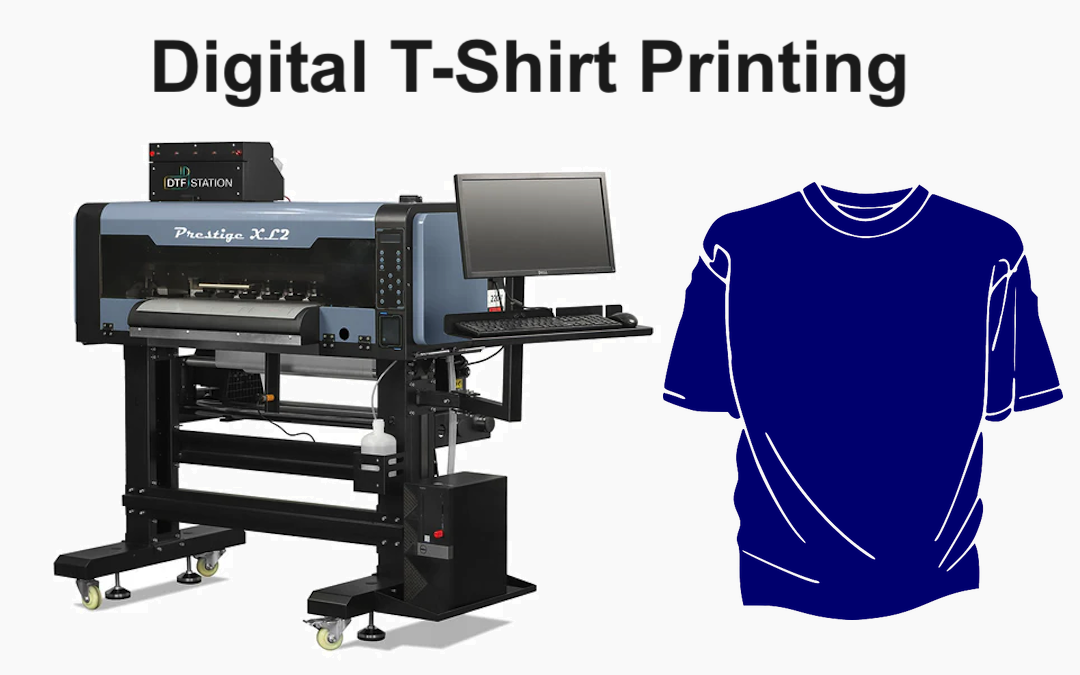
The t-shirt printing industry has evolved dramatically over the years. From the days of hand-painted designs and basic screen printing to the sophisticated digital machines that dominate the market today, it’s clear that technology is reshaping the way businesses and entrepreneurs approach custom apparel. Digital printing machines, in particular, have played a pivotal role in this transformation. They offer higher quality prints, faster turnaround times, and greater flexibility than traditional methods. As technology continues to advance, it’s important for businesses to keep an eye on emerging trends to stay competitive in the fast-moving world of custom apparel.

CS2 Server Locations in 2025

Counter Strike 2
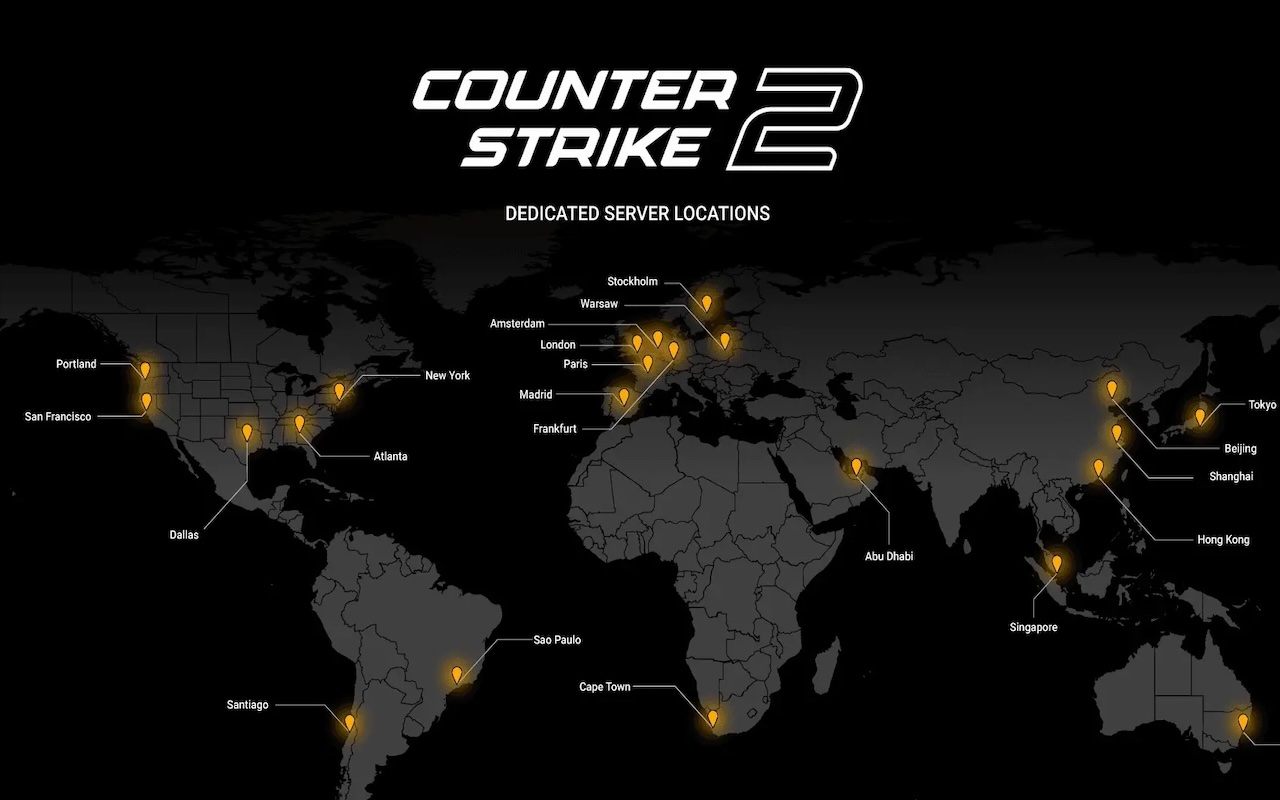
Counter-Strike 2 (CS2) remains a leading competitive game in 2025, with a peak player base of 1.802 million, as reported in prior data. For players, connecting to the right server can significantly improve performance, especially in high-stakes modes like Premier or Competitive. IP geolocation tools offer a practical way to identify server locations, helping players reduce latency and enhance their gaming experience. This guide explores how geolocation optimizes server selection, supports better gameplay, and addresses privacy concerns in the CS2 ecosystem.


How the Best Rotating Proxy Works and Why It Matters

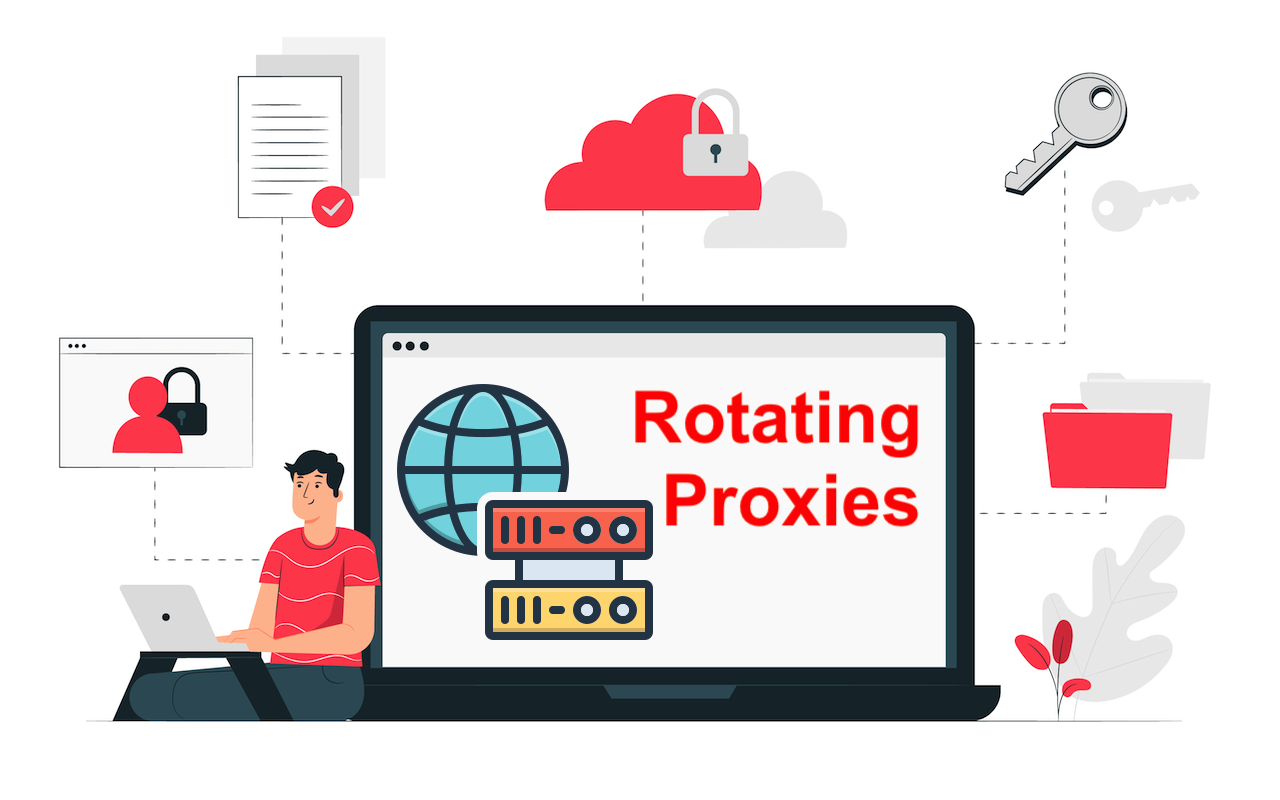
Rotating Proxies
The best rotating proxy allows users to send requests through a pool of IP addresses that change at predefined intervals or with every request. Instead of relying on a single IP that may be flagged or blocked, this setup distributes traffic across multiple endpoints, increasing session longevity and reducing detection. By automating IP changes, rotating proxies provide consistent access across platforms that impose strict rate limits, filter by IP, or monitor repetitive behavior.

Small SEO Changes That Can Make a Big Business Impact

SEO Changes
Modern businesses of all sizes are constantly looking for ways to improve their online presence. One of the most effective ways to achieve this is through Search Engine Optimization (SEO). While it can seem like a complex and overwhelming topic, small changes can have a big impact on your website’s performance.


LEI Codes – What are they and why do you need one?

Legal Entity Identifier
A Legal Entity Identifier (LEI) is an internationally recognized unique code consisting of 20 alphanumeric characters. It identifies legal entities such as corporations, associations, funds, and other organizations involved in financial transactions globally. The system was established after the 2008 financial crisis to improve risk assessment and transparency within the global financial sector due to the previous lack of a unified identification method.